
Non-Asbestos Cylinder Head Gasket Facing Material: Key Benefits for Modern Engines
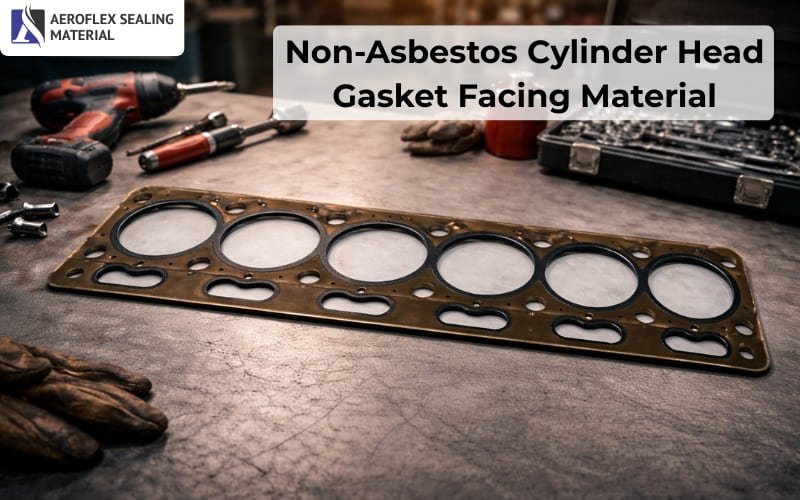
Engine reliability depends heavily on sealing performance. Even minor leakage in combustion chambers can reduce efficiency, increase emissions, and damage critical components. This is why manufacturers increasingly rely on Non-Asbestos Cylinder Head Gasket Facing Material for safer, stronger, and more durable engine sealing. Designed to withstand extreme heat, pressure, and vibration, these advanced materials deliver consistent performance in demanding automotive and industrial environments. For Indian OEMs and engine rebuilders, they offer a compliant, high-performance alternative to legacy asbestos-based solutions. What Is a Cylinder Head Gasket Facing Material? Cylinder head gaskets sit between the engine block and cylinder head, sealing combustion gases, coolant, and oil passages. The facing layer bonded to the gasket core is critical because it: High-quality Cylinder Head Gasket Material must balance compressibility, strength, and thermal resistance to maintain sealing integrity over long service cycles. Why Non-Asbestos Materials Replaced Traditional Options For decades, asbestos was used in gasket construction due to heat resistance and durability. However, strict health and environmental regulations led to a global shift toward safer alternatives. Modern Non-Asbestos Gasket Sheets use advanced fiber blends, elastomer binders, and reinforcing fillers to match or exceed the performance of older materials—without associated health risks. These materials are now standard across automotive manufacturing and engine servicing industries. Role of Non-Asbestos Cylinder Head Gasket Facing Material in Engine Performance 1. Reliable Combustion Sealing During engine operation, combustion chambers face intense pressure cycles. The facing layer must prevent gas blow-by that reduces compression and power output. Non-Asbestos Cylinder Head Gasket Facing Material provides consistent sealing even under fluctuating loads. 2. High-Temperature Stability Engines generate extreme heat, especially around exhaust ports and turbocharged systems. As a High Temperature Gasket Material, it resists thermal degradation, carbonization, and cracking that can compromise seal quality. 3. Fluid Compatibility Modern engines circulate coolant, lubricants, and fuel mixtures across complex channels. Quality Engine Gasket Facing Material resists chemical attack, preventing swelling, softening, or material breakdown. 4. Vibration and Load Endurance Constant vibration and torque cycles stress gasket assemblies. The facing material absorbs mechanical strain while maintaining surface contact and seal compression. Where These Materials Are Used Advanced gasket facings support a wide range of Automotive Sealing Solutions, including: They are also used by gasket fabricators and OEM suppliers that manufacture precision sealing components for domestic and export markets. Material Performance Comparison Feature Non-Asbestos Facing Material Conventional Asbestos Material Health & Safety Environmentally compliant Hazardous and restricted Heat Resistance Excellent thermal stability High but unsafe handling Mechanical Strength Strong fiber reinforcement Good but brittle over time Chemical Resistance Resistant to oils & coolants Moderate resistance Regulatory Acceptance Fully approved in modern manufacturing Banned or restricted This shift makes non-asbestos options the preferred choice for sustainable and compliant engine production. Engineering Properties That Matter Most Heat Resistance Engines operate across wide thermal ranges. Heat Resistant Gasket Sheets maintain structural integrity without losing elasticity or sealing pressure. Compression & Recovery Effective seals require controlled compressibility with strong rebound. This ensures tight sealing after torque cycles and thermal expansion. Tensile Strength Reinforced fiber structures prevent tearing during installation and long-term use. Surface Conformability Facing layers adapt to flange irregularities, ensuring complete contact and eliminating microscopic leak paths. Contribution to Engine Leak Prevention Leakage inside engines can cause oil mixing, coolant loss, overheating, and pressure drops. Over time, this leads to: High-quality Engine Leak Prevention Materials minimize these risks by creating durable seals that withstand real-world operating stress. Manufacturing Quality and Supplier Expertise Material performance depends on precision manufacturing, formulation expertise, and strict quality control. Trusted Indian manufacturers like Aeroflex Sealing Material Mfg. Co. develop engineered sealing materials tailored for modern engine requirements. With specialized production capabilities and material research, they support OEMs, gasket converters, and automotive component suppliers across domestic and global markets. Why Indian OEMs Prefer Advanced Non-Asbestos Materials India’s automotive and industrial engine sectors operate under demanding conditions: Modern non-asbestos materials handle these challenges while meeting evolving environmental and safety standards. This makes them a reliable choice for manufacturers focused on durability, compliance, and lifecycle cost efficiency. Frequently Asked Questions What makes non-asbestos gasket facing safer? They eliminate harmful mineral fibers while maintaining high heat and pressure resistance, making them safer for workers and compliant with regulations. Can these materials handle turbocharged engine temperatures? Yes. Advanced formulations are designed for extreme thermal zones, including high-performance and forced-induction engines. Are non-asbestos gasket sheets suitable for heavy vehicles? Absolutely. They are widely used in commercial vehicles, off-road machinery, and industrial engines. How do they prevent engine fluid leaks? They create uniform surface seals that block oil, coolant, and combustion gas escape under pressure. Do they require special installation methods? No. They are compatible with standard gasket manufacturing and installation practices. Final Thoughts Engine efficiency and durability depend on precision sealing. Advanced non-asbestos facing materials deliver the strength, flexibility, and thermal resistance required in modern powertrains. Choosing the right material ensures compliance, performance, and long-term reliability. For engineered sealing materials built to meet demanding automotive standards, explore advanced solutions from Aeroflex Sealing Material Mfg. Co. and equip your engines with dependable, future-ready sealing performance.